Building on last week’s lesson, this week focuses on how to make habits automatic by reducing friction and making them easier to perform. The less effort required, the more likely you are to follow through on your habits.
Start by embedding your habits into the flow of your daily routine. For example, going to the gym is easier when it’s on your way to work, not out of the way. Similarly, reshaping your environment to eliminate distractions and barriers can make good habits feel effortless.
Here are a few ways to reduce friction:
- Place healthy snacks like fruits in easy-to-reach spots.
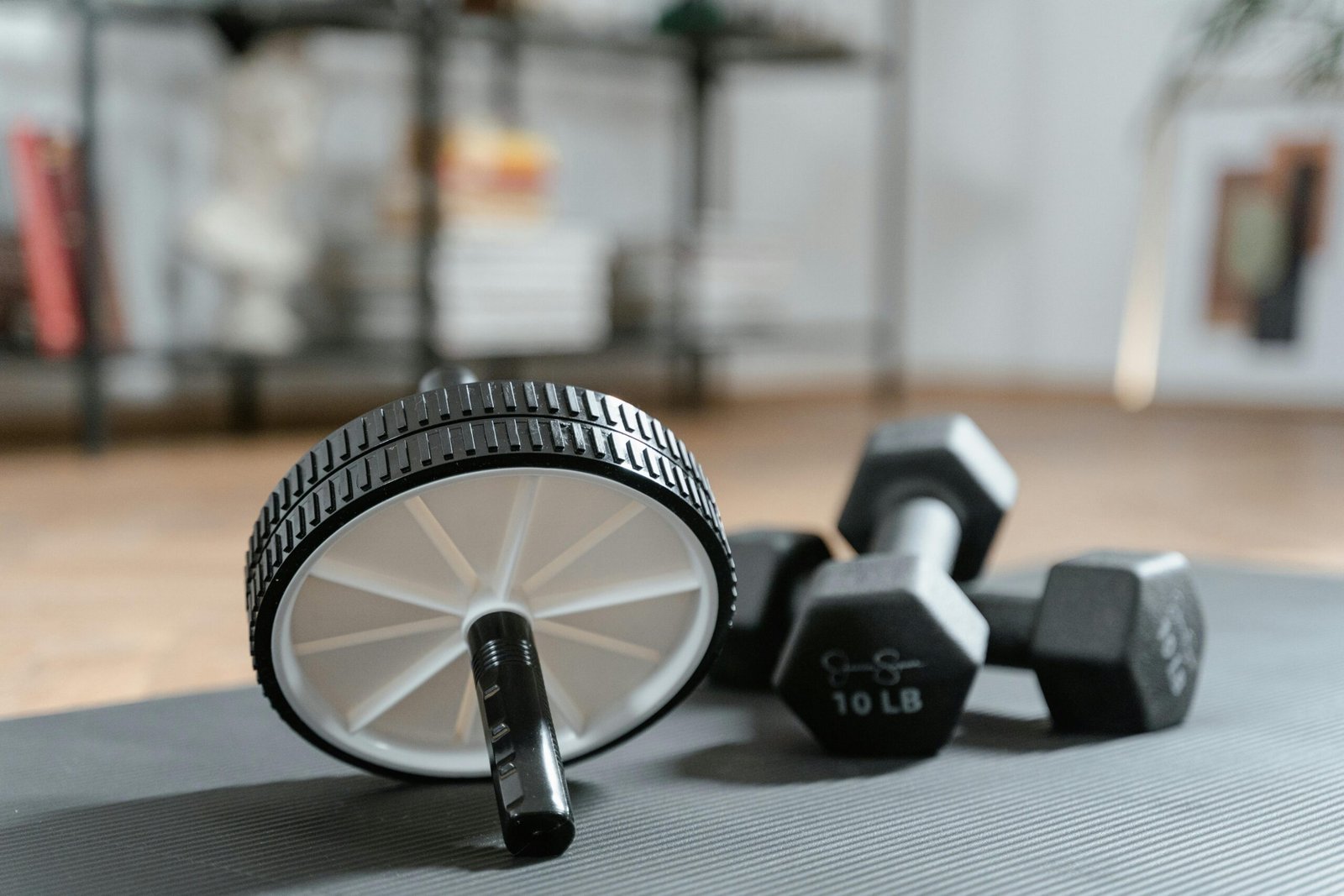
- Set up a home gym so workouts are always accessible.
- Use apps to automate tasks like meal prep or habit tracking.
- Declutter your workspace to focus on tasks without distractions.
Technology can also play a role in automating your habits. For example, a self-cleaning blender simplifies healthy eating, making smoothies a go-to option. With less effort required to use it, you’re more likely to make healthy choices regularly. Similarly, smart home devices, like automated coffee makers or pre-set slow cookers, can help you stick to morning or dinner routines without thinking twice. When you make good habits the easiest option, they become automatic. The key is to integrate technology into your daily life in ways that remove obstacles and streamline positive behaviors, making the process seamless and effortless.
Progress Check-In
By this stage, you should have optimized your environment to make your habits convenient and effortless. Reducing friction increases the likelihood of following through, so take a moment to evaluate your environment and ensure it supports your goals.
That’s all for now—see you in the next lesson!