When building habits, the focus often extends beyond a single action to include a series of supporting habits. For example, eating healthy involves planning meals, grocery shopping, prepping ingredients, and cleaning up. To prepare for habits to stick, it’s essential to set up an environment that supports them. By designing your space to encourage these positive actions, you increase the likelihood of following through and making lasting changes.
This strategy, known as priming the environment, involves organizing your space in advance to make future habits effortless.
Examples of priming your environment:
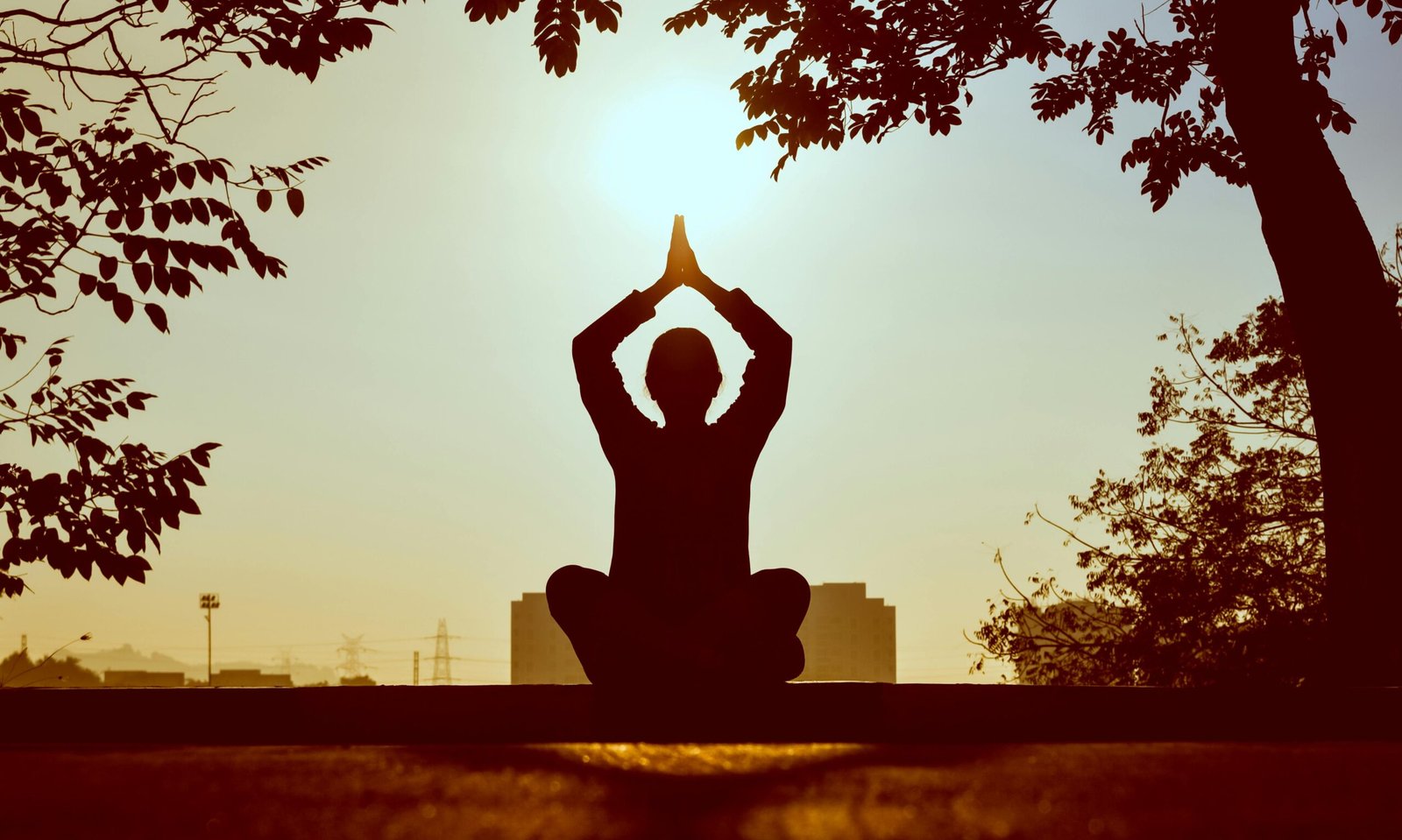
- Meditation: Create a quiet, comfortable space with a cushion or chair ready for practice.
- Reading: Set up a cozy reading nook with books and pillows.
- Painting: Arrange your easel, paints, and brushes for easy access.
- Better Sleep: Remove distractions like phones from your bedroom and replace them with calming items like a white noise machine or books.
By preparing your environment to match your goals, you reduce resistance and make habits easier to perform consistently. When your space is designed for its purpose, taking action becomes the path of least resistance.
Weekly Progress Check-In
By the end of this Week, you should have:
- A two-minute habit that aligns with your goals.
- A clear plan for where and when to practice this habit.
- Small changes in your environment that make it easier to stick to your habit daily.
When building habits, the focus often extends beyond a single action to include a series of supporting habits. For example, eating healthy involves planning meals, grocery shopping, prepping ingredients, and cleaning up. The easiest way to make these habits stick is to prepare for habits by setting up an environment that supports them. By preparing for habits in advance, you eliminate friction and make it easier to stay consistent.
With these steps in place, you’re well on your way to preparing for habits that last. By creating an environment that supports your new habits, you set yourself up for long-term success and ensure that the actions become second nature. Over time, these changes will feel effortless, reinforcing your commitment and making good habits automatic.